
by Web Designer | Aug 16, 2021 | Pest Management
Many people suffer from rashes because of pests, such as fleas, bedbugs, and ticks. However, another tiny insect can also cause itchy welts: the carpet beetle. Many know this nuisance as a risk to fabrics and other household items, but it can also bring about skin irritation and other problems.
Carpet beetles are widespread, often invading homes and buildings in search of food sources. These pests are tiny and hard to detect, making them a menace that can thrive in your property without attracting notice. This article will explore the essential things to know about carpet beetle infestations and what to do about them.
What Do Carpet Beetles Look Like?
Adult carpet beetles are small and oval-shaped, typically around 1.5–3 mm long. Some species have a mottled appearance with white, brown, orange, and yellow colours, while others are black.
The larvae or babies are around 3–6 mm long and have a caterpillar-like appearance. These tiny insects shed their bristle-covered skin as they grow, later pupating into adults.
Where Do Carpet Beetles Live?
Carpet beetles can live just about anywhere, both inside and outside buildings. The adults often lay eggs in places where food is abundant. Inside the home, these areas include carpets, air vents, baseboards, and closets.
What Do Carpet Beetles Eat?
Many people mistake these minuscule menaces for moths because they tend to eat through carpets, clothes, and other fabric types. Carpet beetle larvae typically eat animal-based materials, such as feathers, felt, fur, leather, silk, and wool.
Carpet beetle larvae also may eat other debris from pets and humans, including hair, fur, and dandruff. They’re mostly known for thriving on rugs and carpets. Although the adults only eat pollen and nectar, they can fly into homes and lay eggs there.
Do Carpet Beetles Bite?
Carpet beetles are scavengers that are typically harmless to humans. They pose more dangers to properties than persons. Although these pests don’t bite, some people have allergic reactions to the larvae’s bristles and shed skin.
When the bristles or shed skin come into contact with humans, they often cause itchy skin rashes, runny noses, itchy and watery eyes, and hives. Most people develop defences against these allergic reactions over time, but it’s always best to clear the house of the pests because of the potential property damage.
How to Get Rid of Carpet Beetles Naturally
Carpet beetles may not be easy to detect, but seeing the adults and shed skins are telltale signs of an infestation. It’s also best to examine places where they usually hide and feed, such as carpets, curtains, rugs, and clothes.
Make sure to inspect the creases in fabrics. If you detect an infestation, it’s best to thoroughly wash the clothes with hot water or freeze them for a fortnight. It’s also advisable to vacuum carpets and rugs regularly. You should never hesitate to call local pest control services to ensure thorough removal.
Enlist the Help of Local Pest Control Services
Carpet beetles are invasive pests that can damage properties undetected. Although they do not bite, their larvae can cause uncomfortable allergic reactions in humans. Getting rid of these minuscule menaces is essential in making your home safer and more comfortable.
Because of their small size and fast reproduction rates, it’s best to call professionals to ensure better protection for your property. If you’re looking for pest control companies in Sheffield, Arnies Pest Management has you covered. We offer residential and commercial pest control solutions available to serve you 24/7. Get rid of carpet beetles and other pests naturally—contact us today!

by Web Designer | Aug 9, 2021 | Pest Management
Aside from spreading Leptospirosis and causing other health risks, rodents bring considerable damage to your home. We’ve listed a few below.
Structural Damage
- Rats and mice will chew on anything, causing structural damage to your home. Anything that they think is useful to building their nests, including wood, paper, books, cloth and other materials, are at risk.
- They also gnaw and burrow into upholstered furniture or car seats to create a hidden, snug nest. They will also bite any building type to build a nest as well as defecate.
- They tunnel through insulation inside walls and attics to make a home or gather soft materials for their nests.
- Aside from insulation, they also chew on wires, which can cause a short circuit to appliances, malfunction and even a fire.
- Overall, mice will gnaw on and into anything they can chew, whether it’s in the attic, basement, garage or closet. They may also destroy valuable paintings, essential documents and family heirloom items.
The fact is, the more hidden or undisturbed an area or item is, the more that rats and mice find it comfortable and secure. They’ll also be travelling around your home to look for nesting materials, food and water, leaving urine trails and faeces along the way.
Aside from contamination, urine and faeces from rats and mice potentially spread diseases that can cause serious harm to your family. They may also leave a scent trail for other rats and mice to pick up and inform them your home is an excellent place to live.
Food Risk
So what could attract rats and mice to stay in your home? Aside from them gnawing through anything snug and hidden away for nesting purposes, food may also urge them to stay.
Here are the ways that rodents can pose risks to your health through food:
- Mice feed on various food items, including pet food. They especially like food items in a cardboard box or paper wrapping since it doubles as food and nesting material.
- Food in your pantry and cupboard may also end up contaminated by rat and mice urine, faecal droppings and hair. In addition, even when they only consume about three grams of food a day, they can destroy ten times the amount of food due to contamination, gnawing and leaving partially eaten food behind. All these, of course, pose a threat to you and your pets.
- They also dig up and feed on newly planted crops in gardens, causing damage before you can even harvest them.
Rats and Mice: What you need to know
Rats and mice cause a range of risks and damage not just to your home but also to your family, pets and plants. They are carriers of harmful diseases that can be passed to your family and even your pets. That is why you must fix your rodent problem as soon as you see any signs of infestation. Things to watch out for include faecal droppings, gnaw marks and a rotten smell from their urine.
Arnies Pest Management can help solve your rodent problems in your home in no time. We are a pest control service in Yorkshire and the Humber, working with both private and commercial clients. Contact us at 07932 505877 to get your pest problem controlled ASAP!

by Web Designer | Aug 2, 2021 | Pest Management
Running a warehouse can be challenging. You have a lot to contend with, including storage safety, staff management, and more. If you find yourself dealing with pests, like mice, cockroaches and the like, it can be a nightmare. The last thing any warehouse needs is a pest problem. It can be extremely hard to get a handle on things once these creatures have made themselves at home in your warehouse.
Besides being observant and alert, you can create policies to prevent pests. However, this might not be enough. The best way to ensure the safety and security of your warehouse is through a pest control programme. If you’re on the fence, here are five potential risks of not having pest control in your warehouse.
1. You Will Be Vulnerable to Contamination.
There are plenty of potential pests you might find in a warehouse, but the most common and unrelenting are mice, rats, and cockroaches. These things are not only hard to get rid of, but they’re filthy and potentially dangerous as well. Without a system in place to take care of this problem, there is a massive risk of contaminating your products and workplace. Your customers and staff could be exposed to health risks.
Rodents alone are carriers of diseases like salmonella, Weil’s disease, hantavirus, and so on. Cockroaches are also carriers of disease-causing bacteria and parasitic worms and viruses. If your warehouse stores food items, the risk is higher.
2. Your Warehouse Might Suffer Property Damage.
Rats and mice are relentless creatures. They can chew through almost anything. Whether they are there to find food or shelter, once they find a home there and start breeding, it will be hard to solve the problem.
It’s one thing if they’re chewing through walls or shelves, but when they start going through your wiring and machinery, you’ll be looking at costly damage. The costs to fix it can be astronomical, especially with the addition of an infestation problem. Their presence in your warehouse can pose a fire hazard. If they chew through the wrong at the worst time, the damage will extend to the whole area, not just a few pieces of machinery.
3. Your Reputation Might Get Damaged.
It’s likely that if you’ve already seen a few mice or cockroaches, there is already an infestation. This is something you cannot hide from the public as it is a matter of health and safety. Such a problem, regardless of what you’re doing to remedy the issue, can damage your reputation.
The worst-case scenario is if your pest problem is discovered and made public without your knowledge. This not only damages your image but the people’s trust in your brand as well. With a pest control programme in place, you can minimise these risks and ensure that it never gets out of control.
Conclusion
Pests are invasive creatures that can burrow in your warehouse and cause significant damage. Most infestations will start small but, if left unchecked, can grow to become a massive risk to your business and lead to severe consequences. To address this, it is essential that your warehouse has a professional pest control programme. This ensures that the problem never gets out of hand.
If you are looking for a solution to your pest problems, we are here to help. Arnies Pest Management provides a wide range of commercial pest control services in Yorkshire and the Humber. We are committed to helping our customers get rid of pest infestation and prevent further future problems. Contact us today and let us know how we can help you!

by Web Designer | Jul 26, 2021 | Pest Management
Are you worried you have a Mice Infestation? Give this a read…
Living in a house that rats and mice infest is no laughing matter. Apart from dealing with a couple of pests stealing food from your pantry, you also have to deal with the droppings and mess that these rodents may cause regularly. If you’ve tried dealing with them with the help of some DIY methods, chances are, you may have even missed some along the way.
Of course, it’s easy to declare victory over a smaller adversary you barely even see. In that case, you should look out for the signs that say that they may still be inhabiting your home. While not all of these may be obvious, even the most subtle signs may tell you something from time to time.
-
The Presence of Foul Odours
Mice often travel back and forth within your piping systems, all the way to the sewers. For this very reason, they may give off a foul odour, an unbearable stench that even you may get a whiff of from afar. If you’ve been smelling the stench regularly, chances are, some rodents are traversing through your walls.
Take note of the existence of these smells and where they often occur. Keep your eyes open as well for any signs of minor claw marks.
-
The Occurrence of Little Scuttling Sounds During the Night
The sounds of tiny running footsteps may wake you up in the middle of the night. These are usually caused by the rodents that are trespassing in your humble home. As with the first pointer, be vigilant.
Keep your ears open and try to trace where these small running sounds are coming from. These may occur within your kitchen, as rodents usually hunt for food at night. They may also prefer to do this in the late hours because they are more protected against humans and other predators when it’s dark.
-
The Random Appearance of Droppings
It’s easy to trace where a mice or rat usually stays when you’re not home. Most of the time, they like to linger in a dark, damp place. But there are also occasions where they may prefer to stay in a well-lit area, so as long as they are protected against any form of predator, like cats, for example.
With that said, they also tend to leave droppings, as they do not have the initiative or instincts to choose a proper place to relieve themselves as most animals do. The good news is that this may give you an idea of their usual route, enabling you to set up a trap the next time around.
-
The Presence of Nesting Areas
People often associate the word “nest” with birds, not realising that it has a general implication.
To be exact, even mice or rats can create their own nest, where they may rest and reproduce their young ones. If you happen to see a small stash of scrap paper, fabric, and other forms of rubbish arranged strangely, chances are, rodents are utilising them.
Mice Infestation: Wrapping Up
Knowing if your home has a rodent infestation shouldn’t be too hard, especially if you know the different signs to look out for. By analysing these signs and anticipating your uninvited guests’ next move, you will be able to prepare for them through various traps and poisons.
Be sure to pick up on these signs and destroy any form of rodent nest that you’ll see along the way. By keeping up your guard, you will be able to eradicate them all with little to no effort at all.
If you want to leave all the hard work to the experts, you may need local pest control services to handle your rodent problems. Arnies Pest Management is ready to help you out, backed by years of experience handling all forms of pests and bugs in the commercial and residential sectors. Contact us for more information about our services.

by Web Designer | Jul 19, 2021 | Pest Management
Are you worried about Common Pests? We share some insights.
Insects and bugs are crucial to the stability of the globe’s biosphere. When they get into areas where they aren’t welcome, however, they only create problems by being a nuisance.
Your home isn’t the best place for rodents, bugs, and other creatures to take next. It’s supposed to be a place where you can relax and be at ease at the end of the day. Aside from disturbing your peace, pests can transmit illnesses and possibly do severe damage to your property. While their effects will range from mildly inconvenient to downright destructive, ensuring your home is primed to resist and deter these creatures is always the best thing to do.
No matter how many measures you take to prevent pest infestations, there is always a chance a few will slip between the cracks (literally!). This is why regular inspection and prompt action is necessary. If your Barnsley home becomes nesting grounds for the following common pests, though, here is some information on what to look out for and what initial action to take:
Rats and mice are among the most common and frightening pest infestations. Little footprints on dusty surfaces, such as a basement or loft, are a typical indication. When you have a rodent infestation, you will most likely see droppings and notice the scent of urine which can be so strong that you cannot ignore it.
Although droppings and odour are some of the first things noticed, wall scratching is also common. You may also hear other sounds, like clattering or squeaking in the attic.
If you discover a mouse or rat has infiltrated your house, your initial reaction is likely to panic. Unfortunately, this will do you no good! Remain calm and investigate where the rats may be nesting. Walk around your property with your eyes peeled. The areas most frequented by rats are the attic, basement, bathroom, and kitchen. Inspect every cabinet, cupboard, nook, and wall cavity, among other places. After you’ve identified the rodent entries, set a trap with bait and seal any access sites such as wall cracks, holes, windows, and doors. It’s always a good idea to also contact pest control professionals who can not only remove the rats but prevent them from coming back in the future.
After rats, bed bugs are arguably the second-worst pests that can infest your house. They are tiny, and you can typically only see them before the first bite. They are ferocious animals that are very difficult to exterminate.
One of the first signs you have bed bugs is seeing spots of blood discharged on your bedding. You may also see black streaks—their faeces—and even tiny critters on your linens and mattress in the middle of the night.
When bed bugs breed, they scatter eggshells all over the place. You may also wake up covered in itchy pimples, which will be the first indication you will notice when you search for bed bug bites.
The first thing that comes to mind is to get rid of the mattress as soon as possible. However, this isn’t a good idea. Removal of y bedding and furniture only perpetuates the infestation rather than removing it. Even if you do not remain in the infected room, bed bugs may detect you, and staying in another room will not help. Wash sheets, linen, and clothing in water at least 60°C to remove any bed bugs or eggs. Place any clothing or sheets, as well as the mattress cover, in a plastic bag. Bed bugs are a significant issue, and dealing with them independently is a near-impossible task, so call a local pest control service when possible.
Cockroaches are common pests you’ll find at home. They’re filthy crawling creatures that may be a real pain in the neck. They are the only ones who can withstand any battle. Their waste resembles a very tiny blackish rice grain. Most of the time, they may be seen in groups of two to three.
The eggs are another clear indicator. Cockroaches may lay up to 50 brown, oval-shaped eggs. Don’t be shocked if you open your kitchen cabinet door and discover something that resembles dirt within! It’s important to remove it promptly.
One of the first indicators you have a cockroach problem is a foul odour that’s hard to ignore. You’ll have to locate their hiding spots to get rid of them. Thoroughly clean the kitchen, including the floors, countertops, table, and inside the kitchen cupboards. You can also set traps and put down bait to ward off the attack. Keep in mind, however, that professional pest control is best because even if homeowners manage to eliminate the adult roaches, they often fail to clear out all the eggs—and this only means facing the problem once again in the near future.
Common pests you need to know about
Even the regular chemical treatment sometimes doesn’t bring the best results, and one or two pests will still survive. To ensure that you get rid of common pests that may evade your home, contact a local pest control service to eliminate the problem by addressing the source. You shouldn’t have to coexist with pests in your home when they’re also disrupting your peace and damaging your property. That’s where we come in!
Get rid of the scary pest infestations happening in your home by calling us at Arnies Pest Management. Work with one of the best pest control companies in Barnsley today by contacting us to learn more about our services.
by Web Designer | Jul 12, 2021 | Pest Management
It’s that time of year once more! Summer brings out the bugs, as we all know. While we have come to terms with the fact that they are necessary for our environment, having them in our homes is nevertheless uncomfortable and unhygienic. The easiest way to keep undesirable pests out of your house and garden is to prevent them from entering in the first place.
In this article, we will break down five of the most common pests in the country and how you can watch out for them.
1. Wasps and Hornets
Wasps come in nine different species in the UK. Therefore, they may be found anywhere, especially during summer. Aside from yellow jackets, there are also hornets, which are larger, scarier and more aggressive.
Wasps are drawn to human food, so you’ll often see them buzzing near picnic tables or bins. It’s normal to see a few inside your home or around your garden, but seeing five or more is a red flag you shouldn’t ignore. They sting, and noticing more wasps than usual might mean that there is a nest somewhere on your property. With this, you might need to work with experts on wasp nest removal.
2. Ants
Ants appear out of nowhere, which may be more of a nuisance than anything else. They are frequently seen crawling in a line as a colony to reach a food source. They’re usually easy to spot, and you’ll typically find them in a trail leading from a small fissure in the wall or a gap in the door.
3. Cockroaches
Cockroaches are filthy, which is why people scramble to get rid of them once these insects crawl out (or even fly) of their hiding space. While they are most common during the sunny months, they can be seen throughout the year.
Cockroaches are rarely seen during daylight, and they’re mostly active when everyone in the household is already asleep. Because of this, you might not notice them all the time, but signs of their presence are almost always present. Keep an eye out for weird odours, droppings, strange smear marks on horizontal surfaces and shed skins. If you notice them, you can look for home remedies or hire pest control services.
4. Flies
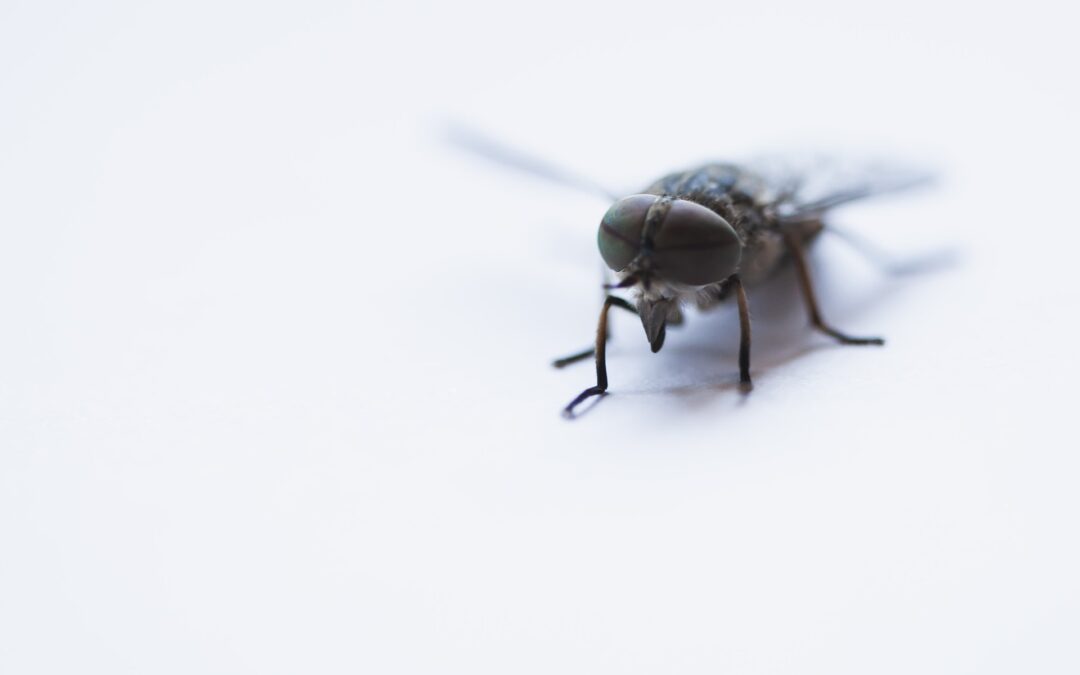
No matter what type of fly is bugging you, they are all unsanitary. These bugs eat organic decaying matter and harvest their larvae on it. As a result, they are suspected of transmitting at least 200 diseases and parasites to humans.
As the weather becomes warmer, we find ourselves opening windows and doors where the flies can enter. To discourage these bugs from buzzing about your head, use door or window screens.
5. Mosquitos
Fortunately, mosquitoes in the UK carry fewer illnesses. Their bites are vexing and inconvenient, but they aren’t fatal. Most individuals get bitten around dawn and dusk throughout the summer. You may deal with them in a variety of methods, the most frequent of which being bug repellants and netting.
Conclusion
Some frequent house intruders make their presence known right away, while others may go unnoticed. Regardless, you must take action since they can endanger your health and cause damage to your property, among other problems. If you can’t handle them on your own, hiring local pest control services is something every homeowner should think about.
For professional solutions to your pest problems, Arnies Pest Management can help you. We offer a wide range of pest control services in Yorkshire and the Humber. We work with both private and commercial clients. Get in touch with us now!

Recent Comments