by Web Designer | Nov 8, 2021 | Pest Management
Rent and mortgage can be pretty expensive, and having a couple of potential pests lingering in your attic, basement, and other parts of the home doesn’t help things either. In fact, their presence might entail additional expenses due to the damage that some pesky critters might inflict on your home.
Call pest control to rectify the situation right away and to minimise the costs and headaches that you’ll have to deal with. If you want to know which problematic pests might be living rent-free inside your household, here are some examples of the bugs and animals that may have found their way into your home:
1) Termites
A wooden home can be quite lovely as it can provide a cottage-like aesthetic. However, beware of any termites that could be surviving off of your house’s material. These bugs are attracted to rotting and unsealed wood, so it’s important to conduct an inspection. Though, before you find them, you might just find their tiny droppings first.
2) Stingers
The average person panics when seeing wasps, hornets, bees and several other stinging insects in public, but do note that they can show up on your private property too. A slight humming or buzzing is often a telltale sign that there are stingers in your home. Stay on the lookout for any flashes of fur that might fly by you too.
3) Flies
One or two flies that wander into your home can be pesky, but it might not be that much of a cause for concern. However, a whole invasion of cluster flies can be quite the hassle to deal with. An infestation of these species is often considered a pest control emergency, and you should treat it as such too, once you confirm that they’re in the house.
4) Rodents
Rat and mice may find your home’s attic cosy for their own personal nest, which is nothing but bad luck for you. Aside from carrying several diseases, rats can also wreak havoc on all of your items, materials and wires. These rodents chew left and right, and anything in the room can be a casualty unless the pests are removed.
5) Squirrels
Squirrels might be cute with their fluffy tail bouncing as they go across the lawn, but it’s a different story when they’re finally scampering in your home. These furballs can be quite noisy while inflicting a lot of damage with their little claws. Most homeowners find that their insulation system becomes a complete wreck, which can rack up your bills for the month.
6) Birds
Birds often look for openings where they will be able to fly and squeeze into the home. After all, it is perfectly warm enough for a nest and its little family. Although this might seem completely harmless, some birds can be rather territorial with where they’ve settled in. Pairing that with the fallen droppings and feathers, your home will end up looking like a disaster.
7) Snakes
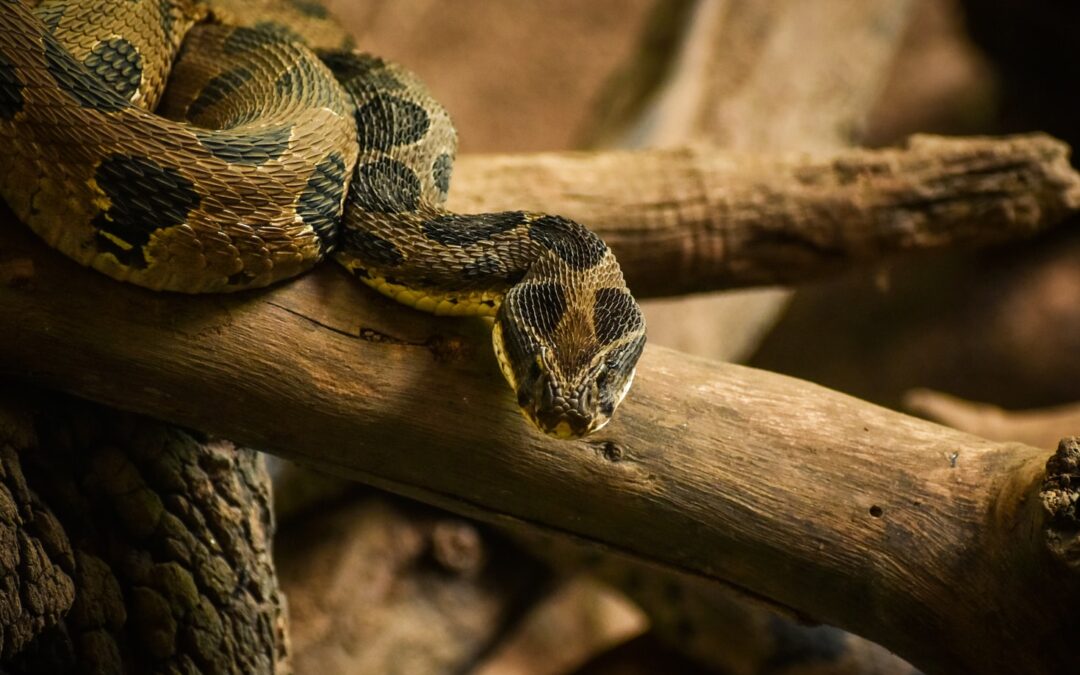
Snakes might be on top of the list when it comes to the worst things that you expect to see in your home. The good news is that most snakes that slither into a home are non-venomous; the bad news is that they could still bite. It isn’t ideal to try and remove the snake yourself, especially if they’re in the midst of guarding their eggs or shedding.
Conclusion
Knowing what pests might be in your home can give you the creepy-crawlies, but it’s important to be aware and alert of these critters. Contact pest control right away so that you’re sure to keep your expenses at a normal level.
Looking for pest control in Barnsley? Arnies Pest Management offers a wide range of pest control services in Yorkshire and the Humber, helping private and commercial clients. Call us today!

by Web Designer | Nov 1, 2021 | Pest Management
Carpet beetles can be a nightmare to deal with, mainly because they’re fast breeders and big eaters. They’re not particularly picky when it comes to choosing what they eat either. Anything with natural fibres like furniture, clothing, curtains and carpets are fair game for carpet beetles.
If you’re wondering how to get rid of carpet beetles naturally, you’re in luck. There are several things you can do to get rid of the nasty pests, and here are some of them:
Home Remedies
When dealing with a carpet beetle infestation, the first thing you should do is vacuum the entire affected area. Once done, go over it with a steam cleaner so that the heat and moisture can remove more beetles and their eggs. Grab all pillows and clothing that have been affected and throw them into the wash.
Make sure you’ve got your cycle on hot water and that you’re using an effective detergent. On the other hand, if you’re uncomfortable reusing the infested clothing and pillows, you can opt to keep them in plastic bags and throw them in a sealed garbage container. Make sure the plastic bag is closed tightly as well.
Finally, you’re going to have to go over the infected area once again and spray down all the surfaces with a mixture of water and white vinegar. If you don’t have this, you can go for apple cider vinegar instead. Spray all the surfaces thoroughly, including drawers, hangers, window sills and cupboards.
Boric Acid or Other Indoor Insecticides
If natural remedies aren’t working or you prefer a more robust solution, you can use boric acid to kill the beetles. Boric acid naturally occurs in the environment, and it’s commonly found in soil, water and plants. You can purchase it at your local hardware store or drugstore.
Another alternative you could use are indoor insecticides that are specifically designed to target carpet beetles. They’re commonly available as spray bottles at your local retailers. Indoor insecticides are safe to use around baseboards, under sinks and in crevices where the carpet beetles could be hiding. However, they’re not recommended for carpets, furniture or clothing.
If all else fails, you can always hire local pest control services. Sometimes, a carpet beetle infestation can be difficult to contain, especially if you lack the experience to do so. These pests are persistent and can spread pretty quickly. Contacting an exterminator could be your best bet at solving the issue effectively.
How to Prevent an Infestation
To prevent another infestation from happening, you can apply an outdoor insecticide specifically designed to target carpet beetles. Do this around two to three feet out from the house and entirely around the perimeter. Make sure you get potential entry points like windows, doorways, vents and utility pipes.
You can also remove and destroy bird or insect nests that are around your house. These nests are perfect for beetles to lay their eggs in, and if they’re too close, they can easily migrate into your home.
For extra protection inside your home, you can use plastic containers or bags for your clothing. You can also keep your drawers and closets open so that natural light can filter in. Carpet beetles hate sunlight, so they’ll avoid going into these spots.
Conclusion
A carpet beetle infestation can be difficult and stressful to deal with. They breed fast and eat almost anything made of natural fibres. If you’re dealing with an infestation and having a hard time containing it, contact your local pest control so they can handle the situation.
Arnies Pest Management offers expert Barnsley pest control. Reach out to us immediately if you’ve got a pest infestation that needs handling from professionals.

by Web Designer | Oct 25, 2021 | Pest Management
Creaking sounds aren’t typical for lofts in newly-built households—possibly even in old houses, either. However, it’s almost a chilling experience to wake up in the middle of the night hearing thumps and thuds from the loft, especially knowing that all that’s in there are old items pushed by time.
Despite the scares, hearing noises from the upper part of your house, no matter the time of day, could be a sign of pest infestation. The loft can serve as a warm and cosy place to stay for the night, including wild animals looking for shelter in the cold.
Therefore, it’s best to call pest control services right away. Here are some of the most common pests you can encounter in your loft and the best way to remove them.
1. Squirrels
If the sounds occur early in the morning or later in the evening, a squirrel might be living above you. Their noise can be described as loud running sounds and a mix between scratches and chewing noise. They are dangerous as they can chew on wood, which can affect the house’s structural integrity. During the rainy seasons, a squirrel infestation can lead to multiple leaks in the ceiling or roof.
The best thing to do is to contain them in the attic. Never let them go into the living spaces as they could harm the people living in the home. Meanwhile, avoid using pesticides on them as it is an inhumane way to remove them from your property. Instead, trap them in cages by luring them using several pieces of food. To prevent them from coming back, make sure to close holes in the loft and trim the trees around the area to keep them away for long.
2. Mice
A group of mice may produce the same scratching sounds that squirrels do. However, people can also hear nibbling sounds and tiny movements from time to time. Although they’re less harmful than squirrels, it’s still best to trap them in the attic until the commercial pest control company comes.
For a do-it-yourself household entrapment, you can use mouse traps and rat poison to try and remove them from above the house. However, it would help to locate the remains of the pests right after they die to prevent them from developing a foul odour.
3. Rats
Rats are common pests and often sound more active compared to the two pests mentioned as they scurry on the floor of the loft day and night. Sometimes, they even gnaw on things louder than mice. However, rats only stay in one place most of the time, so the sounds often only come from one area of the loft.
Moreover, rats are bigger than mice. Therefore, the standard size for mouse traps might not work for catching them. The best way to get rid of rats is by hiring a professional exterminator that will handle all the work for you.
Common pests: Wrapping Up
Other wild animals can become pests in the loft. Meanwhile, insects can also invade a space and make it a place of their own. But overall, you can easily avoid pests in households as long as the homeowners will keep an eye out on possible entrances and exits, like holes and broken windows where the animals can enter. By keeping those openings closed, there is no way pests can live and survive in the loft.
Arnies Pest Management is a commercial pest control company based in Barnsley. Our systematised Barnsley pest control services help our clients get rid of pests and move on with their lives. Check out our services on the website and schedule an appointment right away!

by Web Designer | Oct 18, 2021 | Pest Management
Although birds sound quite lovely to have around the home, they can actually be a bit pesky towards humans. They’re a known carrier for several diseases, and these bird species takes it a step further by damaging and causing chaos on your property. Whether you’re in the privacy of your own home or commercial space, you might not be safe from these pests.
It’s important to call up pest control when things start to get out of hand and before the pigeon invasion goes even further. If you want to know what a service provider uses and how it’s utilised to make your property go from pigeon-infested to pigeon-proof, keep reading.
Pigeon-proof with Lasers
Pigeons can be rather sensitive to piercing light, which is why high-powered lasers are used to temporarily impair their vision. That blindness should prevent them from scouting, nesting or roosting right by your property, dispersing them instead.
However, there are times when lasers won’t do the trick. Some pigeons have grown rather accustomed to the sudden light due to their repeated use by pest control over time. Don’t fret when lasers don’t do the trick, as there are several other methods that should work.
Falconry
Falconry is the most natural way to get rid of any pigeons on your property. Letting out falcons so that they can fly around your property can be quite effective in deterring and scaring off pigeons since they’re recognised as a predator by the latter bird species.
Before releasing falcons, decoy kites might be used to test whether they can drive out the pigeons to avoid the use of another bird species. Big bird-like images and shapes might work, though it can be on a case to case basis.
Pigeon Repellent
Pigeon repellent may be quite effective in ensuring that pigeons will go away from your property. Certain scents like cinnamon or hot pepper can be rather potent towards pigeons, so repellent sprays are applied to their nest areas and more.
These areas can be rather high and dangerous for any regular individual to reach, let alone treat and spray with pigeon repellent. To avoid any risks, be sure to get a pest control expert on the job to do it for you.
Pigeon Traps
Pigeon traps can be rather effective when trying to pigeon-proof your home. Setting these out should be accompanied by other preventive measures, like removing birdbaths, bird feeders, and more to hit pause on the pigeon’s roosting. Here are some of the traps used for pest control:
- Spikes. Anti-bird spikes are fastened to surfaces where pigeons or other birds may try to perch or create a nest. These spikes aren’t deadly, though they are sharp enough to ward off the birds.
- Netting. Mesh netting can be used to cover up and keep pigeons away. Cover different outside fixtures to prevent the pigeons from causing too much damage to those parts of your home.
- Wires. If you want something less see-through and more rigid to take care of the bird proofing, parallel wires are a much better option. Running this on and across a structure will stop the pigeons from perching and nesting.
- Gels. Bird gels are quite efficient in trapping and scaring birds. Since the birds get stuck and struggle for a while to free themselves, they are likely to remember the experience and steer clear of your property’s structures ever again.
Pigeon-proof your home: wrapping up
Learning more about how pest control works can give you insight into what can ward off the birds. There are many options available for protecting and proofing your home from any pigeons, and it’s paramount to find the solution that works for you.
Need Barnsley pest control? Arnies Pest Management offers a wide range of pest control services to private and commercial clients in Yorkshire and the Humber. Get in touch with us now!

by Web Designer | Oct 11, 2021 | Pest Management
There are likely living things thriving and breeding in your drains. Plenty of different insects love to stay in the kind of environment inside pipes. These drain bugs feed on organic matters like food waste, grease, and hair. These elements even make the whole drain a convenient place for insects to live and reproduce.
List of Bugs That Live In Drains
To give you an idea, here is a list of insects that might be dwelling in your homes, plus some quick info on how they get to the pipes and how you can get rid of them.
Fruit flies love to feed on fruit and vegetables, especially rotting ones. These insects also love to lay their eggs on fermenting materials to ensure their larvae have no problems with food supply. You would find these creatures in kitchen drains or garbage bins where different kinds of foods and other organic matter are mostly found.
They can be present all year long, so be wary of how you dispose of your food and other damp organic materials. Try to set fly traps at home to ensure they do not get inside the drains.
Phorid flies resemble fruit flies. They also feed on rotting vegetables and moist organic matter in the drains, but they are also attracted to deceased animals and fungi. They are also excellent diggers and can live up to six feet deep under moist soil—the very reason you would not want to have them inside your home.
When your drains get infested by these flies, they could cause massive damage to the plumbing system. Make sure that plumbers and pest control professionals address this issue immediately.
Indeed, there is a fly species named after drains. Sometimes, they are also called moth flies because their hairy bodies and wings resemble moths. Drain flies can be problematic to deal with. They place plenty of decomposing materials on the drain causing them to clog. They breed not only in drains but in sewage-contaminated soil, sewers, and septic tanks.
Be mindful of all their possible breeding sites and clean any areas they could be laying eggs. Should you notice a drain fly infestation, call pest control to address their breeding sites.
Cockroaches are insects that are so used to living in kitchen or bathroom drains because there are steady sources of food and water in these areas. Furthermore, these areas are humid and dark, just the way they like it. They can thrive in drains and areas near it, and the more of them gather and nest, the more of their own kind they will attract.
How Do These Bugs Reach the Drains?
You might be wondering how these insects reach your pipelines, but the answer is pretty simple. They get to your drains just like how you imagine. They see tiny cracks in your outdoor pipes or enter through your windows, doors, and other structural openings they see.
Conclusion
Pests can be disturbing not only because they infest homes but also because they cause damage to the pipelines. Make it a habit to clean your drains at least once a month. If possible, consider adding drain stoppers, screens, or covers to stop food particles or insects from getting in your drains. When you suspect insects are present in your pipeline, contact pest control as soon as you can.
For Barnsley pest control, Arnie’s Pest Management is ready to help. Our team of experienced and certified engineers can map and check the current state of the lines of your drainage system using our CCTV survey. We also offer a wide range of pest control services for both private and commercial clients. Contact us at 01226 399081 or 07932 505877 to book a service.

by Web Designer | Oct 4, 2021 | Pest Management
Pest control services are well known to deal with all sorts of pest issues, from termites to bats and more. However, these pests aren’t an all-year type of issue. Some occur more commonly in specific seasons than others, and others may not be a problem at all up until the few weeks during the year that the pests love to spawn. As such, knowing your pest control needs for your commercial or residential properties throughout the year is vital if you want to maximise such a service to keep your properties safe from pest problems.
That being said, here are the pest issues you can expect throughout each month of the year in the UK:
January and February
In the first two months of the year, you can expect high levels of mice and rats simply because these rodents love to hide in warm places such as our buildings. Cockroaches are also significant problems here, so expect to find these pests rummaging and scurrying on your floors and walls even throughout the year. At this point, the spider season has already ended, which started around October.
March, April, and May
March is the beginning of nesting birds which can last through the months until September. It is also the beginning of the invasion of insects, where ants are the first of their kind to come out. This is followed by high levels of cloth moths that continue well into April and May, putting your fabrics at risk of being eaten. Along with those posts, rats, mice, and cockroaches remain a nuisance. Around May also emerges a pest everyone loves to hate: wasps.
June, July, and August
Throughout June and July, cloth moths will continue to exist, although slowly subsiding in numbers. However, other issues like fleas, roaches, and bed bugs will be prevalent. Other issues like wasps, ants, and all the other pests mentioned previously will remain. Unfortunately, some of these issues, such as the dreaded wasps, will worsen. Despite that, there is still some good news: house flies start to die off in August.
September and October
As the months get colder, insects will start to disappear. Issues like ants and flies will end here, although other insects like wasps will still fly around. Unfortunately, for all arachnophobes out there, September is the start of the spider season, which worsens during October. Other issues such as rats and roaches will continue to be a problem and worsen as they head into properties to enjoy warmer environments.
November and December
By now, wasps and ants will have disappeared entirely, although spiders will still stick around. Issues like rats and birds will become more prevalent as they find shelter in properties to stay warm, which continues well into December. Fortunately, in December, spider levels drop, and cloth moths will also disappear.
Conclusion
As you can see, some pests like spiders and moths only appear at specific months of the year, while issues like birds, mice, and cockroaches remain a nuisance throughout the year. Despite that, we implore you to carefully strategise with pest control services to get the right services at specific months of the year. This way, you can continue operating your business or living in your home with peace of mind knowing that whatever the pest is ready to annoy you, pest control is there and ready to tackle them.
Arnies Pest Management offers a wide range of pest control services to provide private and commercial clients pest control services needed to keep their properties pest-free. If you are looking for Barnsley pest control, reach out to us today!

Recent Comments